
What is ringworm in dogs?
Ringworm is a fungal infection that occurs in dogs and other animals, and it is surprisingly common. As a pet parent, you might notice signs of ringworm like circular patches of hair loss, scaly skin, or resilient fungus that doesn’t seem to go away. Interestingly, the same fungal infection occurs on our feet, and we refer to it as Athlete’s Foot. Unfortunately, this condition can spread quickly to other pets and even humans if proper care isn’t taken. Familiarizing yourself with the signs, and taking prompt action, is essential in preventing spread and protecting your pet’s health. In my experience as a pet caregiver, resilient fungus can be tricky because it survives on surfaces, so pet parents preventing contamination around your home is just as important as treating your dog.
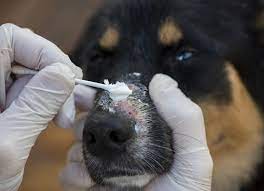
Once you recognize the signs, it’s crucial to address the infection quickly. A veterinarian will be able to properly address the infection swiftly, and helping you manage the spread of this condition is their priority. Preventing the spread of fungal infection often requires a combination of topical treatments, antifungal shampoos, and careful monitoring of other pets. Taking action without delay makes the battle against ringworm far easier. As I’ve seen in clinics, dogs can recover well when pet parents are proactive, prompt action is taken, and hygiene is maintained. Spread of this resilient fungus can be minimized by cleaning bedding, toys, and surfaces regularly. Address the infection, follow your veterinarian’s instructions, and you will notice your dog regaining healthy skin. Your battle to prevent infection swiftly is challenging but very rewarding when you see your furry friend back to normal.
What does ringworm look like on a dog?
Ringworm appears in dogs in patches of hair loss that are often accompanied by a crusty coating. In rare cases, dogs with ringworm may be asymptomatic and show no signs at all, which makes it harder for pet parents to detect. Puppies, very young or elderly dogs, and those with long hair are more likely to be impacted. Your canine companion may have grey scaly patches, bald spots, or bright red lesions, and it is important to schedule a veterinary appointment for your pup right away if you notice symptoms. Common ringworm symptoms also include dry brittle hair, inflamed red skin rash, circular areas of hair loss, patchy areas of hair loss, scales like dandruff, scabs, lesions on the skin, darkened skin, reddened skin, inflamed folds, skin around claws, skin around nails, and itchiness.
Recognizing Visible Signs
Most often, ringworm appears as circular hair loss, patchy hair loss, dandruff-like scales, scabs on skin, lesions skin, skin darkened, skin reddened, folds inflamed, along with claws or nails issues, and itching. Grey patches, bald areas, infected skin, fungal condition, and coat changes may also be present. Skin irritation, visible spots, hair thinning, red patches, crusts, scaling skin, and irritated skin are frequent. Nail fold inflammation, skin issues, dermatologic signs, hair abnormalities, and skin lesions are important dermatologic signs that veterinary experts look for.
Taking Action as a Pet Parent
If you notice any of these symptoms, it’s important to act right away. Schedule a veterinary appointment to properly examine your dog, as ringworm symptoms can present in a number of ways. Dogs with ringworm may have coating, crusts, or scaly patches, and treatment should begin immediately to prevent spread. In my experience, prompt action and careful attention to coat changes, skin lesions, and visible spots can make a significant difference. By monitoring your pup, addressing dermatologic signs, and seeking professional veterinary care, pet parents can help their canine companion recover from this fungal condition effectively.
How is dog ringworm diagnosed?
If you are concerned that your dog may have ringworm, it is important to schedule a veterinary visit right away. Early treatment can help resolve your pup’s skin infection more quickly. During a veterinary visit, a veterinarian will use a variety of methods to diagnose ringworm, starting with a physical examination of the affected areas. They will look for characteristic signs such as circular patches of hair loss, redness, crusting, and scaling to confirm the diagnosis.
One common method is the Wood’s lamp examination, which involves shining a special ultraviolet light on suspected areas. In some cases, affected hairs may fluoresce, revealing the presence of ringworm. I have noticed in my experience that this diagnostic method is very helpful, especially when the ringworm presence is subtle and visible symptoms are limited. A careful veterinarian will perform this test to pinpoint suspected infection accurately.
In addition to Wood’s lamp, fungal culture is often performed by collecting hair samples and collecting skin samples. This allows the vet to grow and identify the specific fungus responsible for your dog’s skin infection. This step provides a definitive diagnosis and helps determine the most effective treatment plan for your dog’s infection. A proper treatment plan ensures that the ringworm or skin infection is fully treated, preventing infection resolution delays.
A thorough examination involves checking circular patches, hair loss, scaling skin, and crusting skin. The veterinarian will diagnose the problem through physical exam, ultraviolet light, or fluoresce hairs analysis. Fungal culture testing and sample collection from affected skin or infected hair help confirm ringworm. Accurate veterinarian methods lead to a proper ringworm diagnosis, making sure skin samples and hair samples are analyzed for fungus identification.
Finally, diagnostic methods may include identifying fungus, ringworm presence, detecting ringworm, and examining affected areas. Skin condition is evaluated for fungal infection, infection signs, characteristic symptoms, and medical confirmation. A veterinarian may use diagnostic light, glowing hairs, UV light, and other diagnosis steps to assess skin issues, ringworm-related symptoms, and clinical signs. Proper veterinary care and veterinarian assessment ensure fungal identification, treatment methods, and effective infection resolution, taking into account hair abnormalities, skin abnormalities, and ringworm indication.
What is the treatment for dog ringworm?
The treatment of ringworm in dogs usually involves a multi-faceted approach that aims to eliminate the fungal infection and promote healing. Veterinarians often prescribe antifungal medications in oral forms or topical forms to combat the infection. Oral medications are typically used for severe cases or widespread cases, while topical treatments, such as antifungal shampoos or creams, are ideal for localized infections.
Regular bathing with medicated shampoos can help remove fungal spores from the dog’s coat, supporting the healing process. Maintaining proper care during the treatment process allows your dog to recover and regain healthy skin and a healthy coat. In my experience, combining oral therapy with topical therapy speeds up infection combat and promotes skin recovery.
For localized infections, antifungal creams or shampoos applied directly to the infected areas help eliminate infection and support coat healing. Topical therapy works best when paired with medicated bathing, as it reduces fungal spores and prevents spread to other parts of the dog coat.
For severe or widespread infections, oral antifungal therapy is often necessary. Veterinary treatment ensures fungal management, proper treatment, and monitoring of dog recovery. The combination of oral therapy and topical therapy ensures ringworm recovery, skin healing, and coat health.
Successful treatment approach requires infection management, veterinarian care, and adherence to the treatment process. With consistent medicated bathing, antifungal therapy, and proper care, dogs can regain coat, recover from ringworm, and maintain healthy skin while minimizing the risk of fungal infection recurrence.
Is it possible to stop the spread of ringworm in dogs?
Ringworm can endure anywhere from 6 weeks to 18 months, so even though it may seem not as concerning as other potential infections, it should be managed seriously. To prevent the spread of ringworm, it’s important to avoid direct contact with infected animal or contaminated surfaces. Fungal spores from infected contact can remain on surfaces, fibers of the carpet, bedding fibers, or curtain fibers, and may continue to survive for months if surfaces are not cleaned properly. From my experience, prolonged survival of spores present in the environment makes serious management essential to protect other pets and family members.
Proper surface hygiene is key. All household surfaces, including soft surfaces, must be cleaned properly to remove fungal contamination and spores. Areas such as carpet fibers, bedding, and curtains that have been contaminated need thorough washing or disinfection. Without proper cleaning, spores survival can continue, allowing ringworm survival on infected surfaces or contaminated areas, increasing infection spread and transmission risk.
Limiting infected contact points and addressing contamination sources in the home can significantly reduce the spread risk. Regular environment cleaning, careful handling of infected animals, and attention to surface hygiene help prevent infection spread. By managing fungal presence in contaminated areas and ensuring infected surfaces are sanitized, ringworm can be controlled effectively, preventing infection spread to other pets and humans.
Do I need to quarantine my dog if they are being treated for ringworm?
If your four-legged friend is a ringworm carrier, even an asymptomatic dog with no obvious signs can still shed ringworm spores. These resilient spores can survive in the environment for a very long time, which makes it important to confine the affected dog to a single room while treatment is ongoing. Even after obvious symptoms clear up, if you haven’t fully healed your dog or eliminated the virus, there is a risk the home may lead to the dog being reinfected.
During the treatment period, ongoing thorough cleaning of bedding, grooming tools, and living areas is essential. Keeping your pet contained to particular areas within home helps reduce work and makes it easier to fight the spread of ringworm. Maintaining environmental hygiene, room confinement, and pet containment are key aspects of infection control and reinfection prevention.
Effective dog care during treatment includes confined treatment, careful pet hygiene, and regular cleaning routines. Managing ringworm, environmental control, and infection hygiene ensures that resilient spores do not cause dog reinfection. By focusing on home environment, living area hygiene, and virus management, you can control spread, prevent reinfection, and support your pup treatment successfully while protecting the dog health and infection survival in the household.
How long should I quarantine a dog with ringworm?
When dealing with ringworm, it is important to keep dog quarantined for about six weeks. This six-week quarantine is ideally recommended to battle ringworm effectively. While it may sound daunting, this period can make treatment easier and less expensive in the long run, compared to a constant battle against recurring ringworm or multiple ringworm cases. Proper quarantine management is essential for infection control and preventing recurring cases in your pets.
During the treatment process, close monitoring of your dog’s skin condition by a veterinarian is necessary. This ensures that the infection is controlled and allows for any adjustments to the treatment plan. Veterinary supervision provides treatment oversight, infection supervision, and proper monitoring, which are all crucial for effective infection management. In my experience, treatment monitoring during a six-week quarantine dramatically improves treatment effectiveness.
Appointments with your vet are recommended to accurately diagnose your pet’s condition and provide medical supervision. The veterinarian can offer treatment recommendations, evaluate skin infection, and track infection progression. Veterinary guidance ensures infection evaluation, infection tracking, and helps control spread of the ringworm while your dog is under quarantine care.
Monitoring infection during treatment duration involves treatment steps such as observing skin condition monitoring, infection supervision plan, and treatment monitoring plan. Effective control relies on treatment management, veterinary assessment, and veterinary care to ensure control and manage infection properly. This structured approach makes infection management more efficient and prevents recurring ringworm in the home environment.
Finally, dog care during quarantine period should include infection tracking, treatment oversight, and infection evaluation to manage ringworm and control infection. Following treatment guidance, medical supervision, and veterinarian care ensures pets health, infection control, and supports effective treatment outcomes. Quarantine care combined with treatment adjustments creates a safe and healthy environment for your dog and reduces infection spread.
How do you tell if a dog has ringworm?
Symptoms of Ringworm in Dogs
- Circular areas of hair loss, often with a red and crusty edge.
- Broken hair and a poor hair coat.
- Dry, scaly skin or areas of excessive dandruff.
- Inflamed areas of skin.
What kills ringworm fast on dogs?
When it comes to treating ringworm in most cases, an effective treatment involves the proper administration of oral anti-fungal drugs. The commonly used drugs include itraconazole, known as Itrafungol® or Sporanox®, and terbinafine, sold as Lamisil®. These oral medications are part of anti-fungal therapy that can treat ringworm quickly while ensuring fewer side effects for your dog. In my experience, following the drug administration instructions closely leads to faster ringworm treatment results.
Your veterinarian may also recommend anti-fungal medication in topical forms, but oral therapy is often preferred for fungal infection treatment affecting larger areas. Proper drug therapy ensures treatment effectiveness and minimizes side effects. Using oral antifungal medication as prescribed helps manage fungal infection efficiently and supports the drug therapy plan for your dog’s recovery.
For effective drug action, consistency is key. Itraconazole medication or terbinafine medication must be given according to the prescribed antifungal schedule. Skipping doses can reduce drug effectiveness and delay infection resolution. Combining oral treatment with antifungal therapy plan guidance from your veterinarian ensures fungal management is done correctly.
Some dogs may be sensitive to side effects, so monitoring your pet during medication therapy is important. Your vet can adjust the treatment plan, prescribe alternative anti-fungal drugs, or modify drug administration to suit the dog’s condition. In my experience, attentive medication administration greatly improves treatment effectiveness and prevents recurrence of ringworm infection.
In addition to oral drugs, following hygiene and common treatment protocols at home accelerates healing. Proper prescribed oral drugs, combined with oral therapy and antifungal treatment, allow your dog to recover quickly from ringworm, ensuring that ringworm medication works efficiently and drug therapy plan goals are achieved. Early treatment, careful drug administration, and monitoring side effect management are essential for complete recovery.
What are the first signs of ringworm?
Signs and symptoms of ringworm may include:
- A scaly ring-shaped area, typically on the buttocks, trunk, arms and legs.
- Itchiness.
- A clear or scaly area inside the ring, perhaps with a scattering of bumps whose color ranges from red on white skin to reddish, purplish, brown or gray on black and brown skin.
Can I touch my dog if it has ringworm?
If your dog has ringworm, it is important to remember that the infection is contagious to people. Touching infected dog directly can increase the chance of catching infection. You cannot catch the ringworm if your skin is unbroken, but if you have a scratch, graze, wound, or a skin condition like eczema, you may catch the infection more easily. Pet parents need to be aware of the infection risk and take steps to protect susceptible skin during contact with dog.
Ringworm infection spreads mainly through contact transmission, so human exposure to infected dog hairs or skin can lead to dog-to-human transmission. Even small breaks in skin, such as a scratch injury or graze injury, can make skin susceptible. Maintaining unbroken skin, wearing gloves when touching the dog, and careful hygiene are essential to reduce infection spread. From my experience, dermatologic susceptibility varies among family members, so it is crucial to observe skin integrity before handling the dog.
You should avoid direct contact with infected dog areas showing visible skin infection, skin injury, or skin trauma. Exposure to these regions increases infection susceptibility and risk factors for human ringworm. Even routine pet care, like brushing the dog, requires caution if susceptible skin is present. Using barriers like gloves and washing hands afterward helps minimize disease transmission.
If you have any dermatologic condition, such as eczema, your skin vulnerability is higher. Ringworm can spread through fungal transmission, so human exposure to skin breach areas of the dog must be avoided. Protecting your skin health, monitoring for infection signs, and avoiding contact with dog until treatment is ongoing are key steps. Contact transmission can occur even from minor skin trauma, so careful handling is necessary to prevent infection from dog.
Even if you follow safety measures, human infection can occur if skin compromise or skin breach happens unnoticed. Limiting disease exposure, maintaining skin integrity, and managing dermatologic susceptibility are essential to prevent ringworm infection. With proper care, infection spread can be minimized, and both dog and people remain safer. In my experience, being cautious and aware of risk factors dramatically reduces dog-to-human transmission.
How to test a dog for ringworm at home?
If you want to check for dog ringworm at home, one of the most reliable ways is using a Wood’s lamp, which is a special ultraviolet light. This ultraviolet light can help detect Microsporum canis, the most common species of dermatophyte that causes ringworm in dogs and cats. When you use the lamp properly, some of the affected hairs may fluoresce blue-green under the light, making it easier to spot the infection. I’ve found that this type of testing is easy to perform if done carefully in a dark room, and it provides quick insight into whether your dog may have ringworm in dogs or even ringworm in cats.
Before starting, ensure your lamp is clean and functional. During the ultraviolet examination, slowly scan the suspected areas on your dog while observing the lamp fluorescence. Microsporum species and other fungal species will show a characteristic blue-green fluorescence, which signals the presence of a dermatophyte. A diagnostic lamp or Wood’s ultraviolet examination lamp can be used for testing, and it’s often considered an easy diagnostic tool for fungal detection at home.
For more thorough fungal identification, some owners combine lamp test with collecting hair samples for professional testing. The lamp test procedure allows you to identify areas to target for further fungal detection method in collaboration with your veterinarian. Lamp use is part of a diagnostic method that helps in species identification, confirming whether your dog dermatophyte is indeed Microsporum. Proper light testing and observation can be a safe testing procedure for home use without disturbing the dog’s coat.
Remember, while easy testing at home is useful, it is not always definitive. Some dermatophyte species may not fluoresce strongly, and cat ringworm can sometimes appear differently than dog ringworm. In such cases, a diagnostic light or lamp examination in the vet clinic ensures accurate detection of ringworm, fungal infection detection, and proper identification of fungal species. The lamp test procedure combined with fluorescent light observation remains a practical diagnostic procedure for early spotting of ringworm-related symptoms.
Finally, for home testing method, always work in a controlled environment with minimal distractions for your dog. Using a fungal lamp carefully, following the lamp use instructions, and noting lamp fluorescence will improve fungal detection method efficiency. This easy to perform approach allows early ringworm testing, helping manage the infection before it spreads to other pets or humans, while giving you confidence in identifying dog dermatophyte or cat dermatophyte species.
Pingback: Mud Daddy Portable Dog Shower Review: Mess-Free Dog Care