
When I first learned that my furry friend had canine hip dysplasia (CHD), I finally understood how this common condition affects many large breed dogs. It starts with abnormal growth of the hip joint as the puppy grows, especially when the ball and socket joint doesn’t fit smoothly. This creates a loose fit, or laxity, which leads to instability. Over time, the hips begin to rub and grind, causing progressive joint changes, limb dysfunction, and eventually painful arthritis. If untreated, the gradual breakdown of cartilage, the formation of scar tissue, and osteophytes or bone spurs can significantly decrease the quality of life and the dog’s ability to move.
As the malfunction continues, the abnormal formation inside the acetabulum and around the femoral head leads to progressive loss of function. I’ve seen both younger dogs and growing dogs show early clinical signs and symptoms, while adult dogs and senior dogs often struggle with worsening mobility issues and pain. In many cases, hip dysplasia isn’t a fully preventable measure, but catching it early helps improve the long-term response to treatment. When the hips deteriorate due to continual abnormal movement, the damage becomes extremely painful, making surgery one of the most reliable ways to help.
From my experience, hip dysplasia surgery is an effective procedure because it either removes painful joint surfaces or replaces joint structures with a prosthetic, similar to how humans are treated. This allows the hip works more naturally again, restoring a smooth ball and socket system instead of one suffering from deterioration and grind damage. For dogs with severe loss of function, surgery helps stop the malfunction and supports better movement.
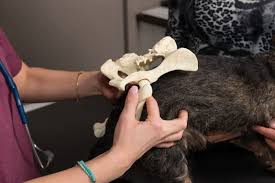
I’ve watched dogs recover after their faulty hips were repaired, and the difference is incredible. Once the surgeon corrects the abnormal formation or installs a new prosthetic, the dog feels relief from the extremely painful friction that once caused so much discomfort. Without intervention, CHD would continue to reduce quality of life, but with proper care, dogs can regain strength and live comfortably despite earlier instability.
Types of Hip Dysplasia Surgery in Dogs
When I first started learning about surgical options for dogs with hip dysplasia, I realized that each of the procedures is better suited for certain dogs based on age, size, and how their hips change as the puppy grows. One early preventative measure is juvenile pubic symphysiodesis (JPS), done in puppies less than 5 months who are predisposed to developing hip dysplasia. In this method, the growth plate in the pelvis is prematurely sealed, causing a natural rotation that brings loose joints or floppy joints into better alignment. I’ve seen this help young pups build stronger, healthier hips early on.
For slightly older dogs, surgeries like triple pelvic osteotomy (TPO) or double pelvic osteotomy are used in dogs less than 18 months without arthritis. Here, the pelvis cut in multiple places is carefully repositioned and secured with implants so the joint forms a better fit as the dog matures. For smaller dogs, I’ve witnessed the benefits of femoral head ostectomy (FHO), where the femoral head is surgically removed, allowing the joint allowed to heal with support from surrounding ligaments and muscles. Even though this sounds intense, many small breeds return to playful, pain-free movement.
In severe cases of arthritis, total hip replacement becomes the treatment of choice. This involves the acetabulum or hip socket and part of the femur being drilled out and replaced with a prosthetic ball and socket anchored securely into the dog’s pelvis. From my own experience working with recovering dogs, nothing restores confidence quite like this surgery, which focuses on re-establishing limb function and giving the dog a completely renewed chance to move freely again.
What causes hip dysplasia?
From my experience working with dogs, I’ve seen that hip dysplasia is often a hereditary condition, making genetics a major leading contributor in its development. Many large breed dogs and giant breed dogs like mastiffs, St. Bernards, Rottweilers, retrievers, and bulldogs are naturally more predisposed. Even some smaller breeds such as pugs and French bulldogs can be affected. When CHD begins in the early stages and is left untreated, the joints start to deteriorate, sometimes in both hips, making it a bilateral struggle that becomes harder to manage in the later years.
But genetics alone aren’t the full story. A genetic predisposition can be compounded by improper weight, poor nutrition, and obesity. I’ve noticed that heavier dogs carry added weight, which can increase risk by raising the force their joints must endure. These greater forces create a higher risk of injury and can worsen painful conditions like osteoarthritis, especially when paired with an inherited condition. Sometimes, a rapid weight gain from excessive nutritional intake in large breeds or growing puppies can worsen genetic predisposition and even heighten likelihood of the condition’s occurrence.
Exercise also plays a big role. Young puppies that get too much exercise, too little exercise, or the wrong exercise may place unnecessary strain on their joints. I have seen exposure to stairs or constant chasing balls cause problems when the hips are still forming. On the other hand, an insufficient exercise routine may also harm their structure and symptoms may appear earlier. That’s why pet parents must understand how delicate the balance is during this stage.
A nutritionally balanced diet tailored to the needs of fast-growing pups is equally important. Without proper support, an accelerated growth rate can push weak hips to fail sooner than expected. This becomes especially important for breeds that already face a genetic predisposition, as poor diets can easily exacerbate the problem.
Overall, hip structure issues in dogs are truly multifactorial, connecting hereditary factors with lifestyle choices. As pups age, even simple things like body weight, daily activity, and nutrition can influence how quickly their hips deteriorate, shaping the long-term path of this challenging condition.
What are signs of hip dysplasia in dogs?
When a dog is displaying symptoms of hip dysplasia, the changes often start quietly and slowly develop as the puppy grows past five months and into adulthood. I’ve seen younger dogs with no arthritis show early hip laxity, while mature dogs and those in their middle years or senior years begin to struggle more as hip arthritis sets in. For many dog owners, keeping an eye out for these early signs can make a big difference in long-term pet care.
The first clues are usually slight discomfort or pain, especially when the dog is exercising. You might notice stiffness when the dog walks, or the back legs may seem weak or stiff after rest. Some pooches develop a bunny hop gait when running, or show reluctance to climb stairs, jump, or even run—all common indications of reduced hip strength. Over time, a visible loss of muscle tone in the thighs and sometimes even loss of muscle mass around the hind end becomes more obvious.
One thing that always stands out to me is the sound or feel of grating, grinding, or roughness in the joint when the dog is moving. Dogs may show lameness, especially after rising from a resting position, or they may have a decreased range of motion that gets worse as the stage of disease progresses. Even simple actions like getting up can look awkward or painful.
Sometimes, limping shows up on and off, and dogs start shifting weight onto their forelimbs to avoid hip pain. For many dogs, these symptoms become more apparent during exercise, revealing deeper mobility issues linked to CHD.
If you notice any of these behaviors, a veterinarian can confirm the condition through an examination. In my experience, catching these problems early not only helps manage pain but also guides the decision on when Dog Hip Dysplasia Surgery may be needed to restore comfort and mobility.
How is hip dysplasia diagnosed?
When vets suspect hip dysplasia, the process begins with an examination during regular physical exams. A primary care vet will check the pet by assessing dog joints, especially the hind legs, listening for grinding sounds and watching for signs of pain or a reduced range of motion. In my own experience, even small clues during a routine annual exam can help detect early conditions before they worsen. A veterinarian also reviews medical history, past injuries, and lineage to evaluate risk, sometimes adding blood tests to rule out inflammation or other joint disease.
To fully understand the problem, x-rays are essential for diagnosing CHD and determining severity, which is crucial for treatment planning and future surgical options. Many primary care veterinarians use hip x-rays along with palpation methods to check for abnormal hip joint laxity. Some dogs need light sedation to ensure the images are accurate. One method I’ve seen help many puppy owners is the PennHIP distraction method, a quantitative method that measures hip laxity to predict how the joint might change as the dog grows. Because it requires special training, specific equipment, and independent confirmation, it’s often used by specialists such as ACVS board-certified veterinary surgeons.
Another technique, the Ortolani Sign, is used even in newborns and young pups to identify looseness in the hips. While the Orthopedic Foundation for Animals provides both a preliminary exam and a final exam after one year of age, this system helps breeders track progression and avoid a false negative result. From what I’ve witnessed, this combination of tools—whether JPS, DPO, TPO, or early screening tests—offers a gold standard approach for early diagnosis in puppies.
All these combination methods give vets a clearer picture of painful sensations and help them chart course to prevent crippling arthritis. With accurate early results, owners and vets can make the most informed decisions, ensuring the dog has the best possible chance at mobility and comfort.
What are treatment options for hip dysplasia in dogs?
When talking to owners about treatment options for dogs with hip dysplasia, I always explain that the plan depends on the severity of the condition and the dog’s age, size, and daily routine. Many families start with simple lifestyle changes such as a controlled diet, gentle exercise, weight management, and pain meds or anti-inflammatory drugs to help with managing pain. For athletic or active pups, exercise limitation—especially avoiding off leash exercise—can reduce strain on the hip joint, while slow leash walks support mobility.
For young dogs with early signs of CHD, some vets recommend Juvenile Pubic Symphysiodesis (JPS) between 10–18 weeks, where the growth plate in the pelvis is altered to improve the hip cup and shape of the acetabulum. When special x-ray techniques detect pathological joint laxity in pups less than 18 weeks, this minimally invasive surgery can guide the femoral head into a healthier position as the dog grows. It’s often offered by an experienced primary care veterinarian or an ACVS board-certified veterinary surgeon and works as a DPO/TPO alternative if found early.
Dogs under 10 months without arthritis may benefit from Double Pelvic Osteotomy (DPO) or Triple Pelvic Osteotomy (TPO). These surgeries involve cutting the pelvic bone and creating rotation so the ball and socket joint fits better. I’ve seen energetic pups bounce back surprisingly fast, though the recovery weeks still require careful physical activity limits and structured leash walks.
When joint damage is more advanced, Femoral Head Ostectomy (FHO) can help older dogs or smaller pets by removing the femoral head to form a false joint supported by soft tissues, allowing muscle adaptation to reduce discomfort. It doesn’t restore normal hip function, but with physiotherapy, physical rehabilitation, and patience, many dogs regain good mobility. Some owners choose FHO as last resort due to price, although it has a shorter recovery timeline—often around six weeks with proper post-surgical care, medications, and reduced strenuous activity for at least 30 days.
For severe cases, a Total Hip Replacement (THR) is considered the expensive surgery but offers the best chance at normal pain-free function. This procedure replaces the entire hip joint using plastic implants, metal implants, polyethylene implants, metal pegs, bone cement, or press fit components to restore hip function. It usually costs between 3,500 and 7,000 dollars, requires hospitalization, and demands a strict 12-week recovery. Many dogs operate on one hip at a time, with a gap between procedures if both sides need help. Before any major procedure, vets perform pre-surgical bloodwork and manage anesthesia carefully, following evidence-based medicine for the safest outcome.
WHAT DOES MEDICAL MANAGEMENT ENTAIL?
When I talk to owners about medical management as a treatment option, I always remind them that it mainly depends on several factors, including the dog’s age, weight, degree of hip laxity, daily lifestyle, and even the owner’s goals or cost limits. For middle aged dogs, older dogs, or pets with a sedentary lifestyle, this approach can be effective, inexpensive, and long-term, helping them stay comfortable without surgery. Some young dogs or a severely affected puppy may also benefit, especially when they still have functional hip joints and only need minimal exercise to control daily pain and slow cartilage damage.
A big part of this plan involves controlling body weight and following a limited exercise routine built around gentle leash walks instead of running or jumping. For pets with less severe hip laxity, especially those living with highly active owners or athletic dogs, this helps prevent worsening symptoms while keeping the dog moving safely. Many families use daily NSAIDs, intermittent NSAIDs, or other non-steroidal anti-inflammatory drugs to relieve pain, but I always warn about possible side effects like kidney damage or liver damage. Vets regularly run blood tests and adjust the dosage level to the lowest daily dose rather than the maximum daily dose to keep things safe.
Some owners ask about supplements. While cartilage protective supplements are commonly used, studies show no evidence that they cause cartilage repair or offer strong protection against wear, though many still try them. On the other hand, animal derived omega-3 fatty acids such as fish oil do have helpful anti-inflammatory effects on the joints, especially when paired with structured physical therapy.
I’ve seen many dogs improve with consistent sessions focused on muscle strength, joint movement, and overall mobility. These exercises also support post-surgery recovery for dogs that later need surgical intervention, since therapy helps strengthen muscles and improves the speed of recovery. In most cases, medical management offers a realistic outcome and steady maintenance for dogs in old age or those who simply aren’t good surgical candidates.
Aftercare and Outcome
When we talk about caring for a dog after hip surgery, I always remind owners that good aftercare can be just as important as the operation itself. Whether your dog has had THR, FHO, DPO, TPO, or even JPS, the early days matter the most. I’ve seen dogs recover with good or even excellent long-term function when owners follow a steady plan that includes basic incision care, short-term activity restriction, and gentle leash exercise. Even though risk is usually low, we still watch for complications like infection, hip dislocation, loosening, or issues with implants, since screw loosening, plate failure, screw failure, or implant breakage can happen.
During the first few weeks, your dog may have reduced weight bearing, mild lameness, or hesitance due to their preoperative status, but that’s normal. I usually guide owners to keep dogs in a small area indoors, use a walking sling, and avoid stairs, slippery surfaces, or rough interactions. This level of confinement helps prevent overuse and protects the healing bone. We do examination and X-rays to confirm the hip has healed, especially after procedures like DPO, which can sometimes cause pelvic canal narrowing, though the incidence is minor.
Once healing begins, we move into controlled exercise. A physical rehabilitation program helps improve hip range of motion, limb range of motion, and overall mobility. With proper guidance, your dog’s long-term function can be markedly improved limb function. For surgeries like total hip replacement, the success rates are impressive—80–98% success with many dogs returning to normal activity. A femoral head ostectomy may show a 62.8% prognosis, often depending on patient size, but even then, outcomes can be strong with structured rehab.
After about six weeks, we typically gradually increase activity, always under supervision. Some dogs need longer recovery, especially after complex procedures or when dealing with hip laxity or joint disease that existed prior to surgery. Surgeries like juvenile pubic symphysiodesis show promising numbers, with 25% no future signs of issues and 74% reversal of hip looseness when done early. Even though rare risks such as bone fracture, hemorrhage, nerve injury, femur fracture, or damage to abdominal organs, vital structures, or thermal injury from electrocautery exist, they seldom affect recovery.
The goal of any hip surgery is simple: a pain-free hip, restoring function, slowing or helping prevent hip dysplasia, and reducing mobility loss or arthritis. With the right balance of medications, effectiveness of proper care, and a structured plan to treat arthritis when needed, most dogs return to a full and happy life. And as I’ve seen many times, even severely affected dogs can regain normal function in the operated limbs when owners stay committed from the start to the final stages of healing.
Preparation for Hip Dysplasia Surgery in Dogs
Before hip dysplasia surgery, proper pre-surgery steps are crucial. On the day before, the pup may require fasting overnight. On hospital arrival in the early morning, paperwork is completed, and the dog undergoes hospitalization, with blood drawn and an IV catheter placed. The veterinarian exam includes a review of bloodwork, followed by pre-medication with pain medication, sedatives, or an epidural for pain management. During surgery, the anesthesia team uses an endotracheal tube for breathing monitoring, ensures proper pup positioning, and prepares the side, pelvis, and leg by shaving and sterile preparation to keep the procedure safe and effective.
Complications
While complications after hip dysplasia surgery are usually minimal, owners should be aware of potential issues that can affect quality of life. These include limb shortening, patellar luxation, pelvic canal narrowing, constipation, difficulty urinating, surgical site infection, implant loosening, bone fractures, muscle wasting, poor limb use, and hip luxation. Careful post-surgery maintenance and monitoring help reduce risks and support a smooth recovery.
Alternatives to Hip Dysplasia Surgery in Dogs
For dogs with advanced age, anesthesia limitations, or financial constraints, conservative management can be an effective alternative to surgery. This approach focuses on weight management, modified exercise, and the use of pain medications or anti-inflammatories like NSAIDs to provide pain relief, slow arthritis progression, and support hip stabilization. With careful care, many dogs maintain good hip function and enjoy a comfortable, active life without undergoing surgery.
How much does hip dysplasia surgery cost for dogs?
The cost of THR surgery for hip dysplasia in dogs can range from $3,500 to $7,000 for a single hip, and treating both hips may reach $14,000, depending on the dog condition, dog size, dog age, and overall health. Additional factors like pre-surgical blood work, surgery, anesthesia, and medications or meds for the pup also add to the expenses. Owners often plan financial arrangements or payment options to manage the total cost, ensuring the dog receives safe and effective care.
What is the 90% rule for hip replacement?
After hip replacement, many patients are advised to follow the 90-degree rule as a precautionary measure to protect the new hip joint during the early stages of recovery. This means the hip joint should not bend past a 90-degree angle to ensure safety and prevent complications. Following this movement restriction during post-op rehabilitation helps dogs regain strength, improves recovery, and supports long-term function of the replaced joint.
How long can a dog live with hip dysplasia?
In my experience, dogs with managed early hip dysplasia can still live long and enjoy a good quality of life, often reaching their teens with proper pain control, symptom management, and ongoing care. Even with advanced hip dysplasia, maintaining a healthy lifestyle, controlled exercise, and attentive monitoring can improve survival and longevity, allowing dogs to keep enjoying life despite this chronic condition and supporting their overall life expectancy.
Can a dog walk after hip dysplasia surgery?
From what I’ve seen, a dog can definitely walk after these surgeries, but it usually takes several weeks of leash walks, regular physical rehabilitation, and steady physiotherapy to regain full mobility. During this time, we focus on controlled activity and gentle exercise to support the healing period, and many owners notice joint stability improvement earlier than expected when post-op care is consistent. As the range of motion increases, the overall recovery becomes smoother, and dogs gradually return to their normal routine with confidence.
Can a dog live with hip dysplasia without surgery?
In my experience, the majority of dogs with hip dysplasia can still live a normal lifespan without surgery, especially when the disease is mild and doesn’t cause significant disability. I’ve worked with many cases where simple management and steady supportive care made a huge difference, helping owners reduce pain, maintain mobility, and keep their pets at adequate function. Even in severe cases, there are options like tailored treatment, weight control, and pain-relief plans that improve the prognosis and allow dogs to stay active and comfortable without needing an operation.
Pingback: Treating Yeast Infections in Dogs: Skin, Ears, and Paws Care