When I first dealt with a yeast infection in my own dog, I noticed small signs before the real issues began—an unusual bad smell, itch, and greasy fur. These problems start when there is an overabundance of yeast living on the body, especially yeasts like the peanut-shaped Malassezia pachydermatis. These fungal organisms are actually microorganisms that are naturally present as commensals, both inside and outside common sites such as the external ear canals, lips, tail, and skin. But when their numbers grow, they multiply, overgrow, and shift from harmless to causing illness, especially if your dog’s immune system weakens or an underlying health condition like hypothyroidism suppresses immunity or the barrier function of the skin.
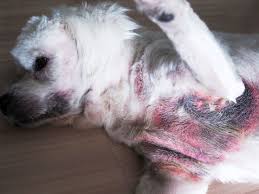
As these types of fungus begin budding and forming spore-like structures, they can trigger yeast dermatitis, also known as Malassezia dermatitis, which leads to redness, itching, scaling, odor, and serious discomfort. Many pet owners misjudge these signs at first—I did too—thinking it was just dirt or allergies. But the moment these fungi begin to live in higher amounts, the infection spreads quickly outside and even deeper inside the skin layers. At that point, home care alone isn’t enough. You need a vet who understands the behavior of these fungal organisms and how to manage the overgrowth before it worsens.
When it comes to treatment, a professional veterinarian will check if the condition can be fully cured or needs long-term management. While home remedies can help manage mild symptoms, they cannot replace proper medical care—especially with recurring infections. A vet-guided plan targets the type of fungus, reduces the overgrowth, and soothes the pet so the infection becomes manageable. From my experience, early action prevents severe flare-ups and protects your pet from further discomfort, making treatment smoother for both the dog and the owner.
Signs & symptoms of yeast infections in dogs
When I first noticed my own dog harboring a yeast infection, the earliest signs were subtle—small changes in skin color, a slightly pink patch on the paws, and a faint musty smell around the ears. Yeast thrives in a moist environment, especially in armpit, groin, folds, the face, and certain breeds with tighter skin folds. As the owner, I realized quickly that these symptoms can progress fast. In the early stages, the affected area may look pink or sore, but as it becomes chronic, it can turn red, gray, black, or even hyperpigmented with thick, leathery, or elephant-like lichenification. You may also see greasy skin, oily patches, scaly skin, scaling, crusting, flakiness, dandruff, and yellowish flakes or greyish flakes caused by excess sebum, seborrhea, and buildup from the sebaceous glands.
One of the clearest indicators is itchy and intense pruritus, which leads to constant scratching, rubbing, scratching of the ears, and even face rubbing on the floor, furniture, or any surface for relief. I once saw my dog engage in incessant licking, frequent licking, and chewing of the affected area, especially around the paws, paw pads, and toes, leaving red moist areas, pinkish brown saliva staining, and sometimes even hairless areas. These actions can create inflamed, crusty areas, raised crusty spots, and darkened areas. If the condition reaches the nailbed, it can lead to nailbed infections, also known as paronchia, making the nails appear sticky, swollen, and painful.
Dogs with yeast otitis will often show shaking of the head, unusual movements, tilting, and repeated scratching of the ears. A strong odor, sometimes described as a cheesy scent or musty, often comes from brownish waxy smelly discharge, thick brown ear discharge, or inflamed ear canals. I’ve even seen redness inside ear, scaling, and irritation around the ear flap or pinna. These signs may resemble bacterial otitis externa, so a definitive diagnosis from a veterinarian is important to understand whether it’s Malassezia infections causing the issue. Untreated ear infection cases can develop into recurrent ear infections, leading to long-term discomfort and bad odors.
Sometimes the dog may show discomfort around the mouth, drooling, oral issues, or problems eating if the infection reaches the face. You may also notice red bumps, brown discoloration, itchy skin, and yeast dermatitis spreading all over or only in specific areas. When breeds with deeper folds experience intertrigo, the skin folds rubbing together with humidity, poor air circulation, and trapped microbes like bacteria make the infection much worse. In severe cases, the affected area becomes warm, shows swelling, or displays pain, especially when touched.
Recognizing these signs early helps prevent the skin infection or ear infection from worsening. Watching for things like greasy hair coat, thickened skin, redness, itching, yeast dermatitis, yeast otitis, and unpleasant smell can make all the difference. Over time, I learned how quickly these symptoms can grow if ignored, and how a prompt visit to a veterinarian leads to the right treatment plan. Early attention also helps ensure your dog’s comfort while stopping the infection before it spreads further.
What causes yeast infections in dogs?
From my own experience helping dogs in rescue work, I’ve learned that yeast overgrowth usually happens when the natural balance of the skin gets disturbed. A weak immune system or an underactive immune system can make an infection much easier to develop, while an overactive immune system triggered by allergies, allergic reactions, or environmental allergies also plays a big part. Things like pollens, mold, dust, cigarette smoke, cleaning products, foods, sugar, and carbs can all cause food allergies or flare-ups that predispose a dog to problems. Certain breeds such as Pit Bulls, Boxers, and Cocker Spaniels are frequently affected, especially when their skin barrier weakens and makes the infection more likely.
Moisture is another major factor. A moist environment inside the ear canal gives yeast perfect conditions to grow, especially if wax, discharge, a foreign object, or poor hygiene lead to trapped moisture. Dogs that are bathed often, exposed to water, or living in hot humid weather may struggle even more. I’ve also seen cases where too much exercise under the hot sun, seasonal temperature changes, and high humidity create favorable conditions for this opportunistic organism. When dogs repeatedly itch because of fleas, mites, or other skin parasites, the irritated skin becomes dry, damaged, and even more prone to yeast problems.
Whenever I’ve taken a dog with stubborn yeast issues to a veterinarian, the treatment plan usually includes medication or medications like antifungal ear drops to alleviate symptoms and restore good bacteria on the skin. But it’s equally important to understand the underlying health condition behind the yeast, whether it’s environmental allergies, diet triggers, or lifestyle factors. Without addressing the root cause, the infection keeps coming back. And while many dogs live in a natural environment full of harmless microbes, once yeast finds the right weak spot, it grows fast—turning a small irritation into a full yeast overgrowth before you even notice.
How to treat yeast infection in dogs
When I begin helping a dog with a yeast infection, the first step is always to identify and address the underlying cause, because without that, no treatment truly lasts. Sometimes the problem needs medication, while other times at-home remedies can bring quick relief. I’ve learned over the years that even a simple preventable measure, like drying a dog after walks or avoiding sugary foods, can make a big difference in avoiding recurrent yeast infections.
For mild cases, at-home treatments such as medicated baths with an antifungal medicated shampoo help get under control the irritated skin, especially when you wash every 3–5 days for 2–12 weeks as guided by your veterinarian for maximum effect. On small spots, a topical cream works well, and I often apply antifungal cream following specific instructions. When the ears are involved, I always clean ears gently with a dog-ear cleaning solution to keep the area clear and clean, which helps lower pH levels and soothe soft tissue. I avoid Q-tips in the ear canal, using only a cotton ball with care, especially if the dog also needs yeast infection cream for deeper issues.
For stubborn or deeper infection cases, a vet may recommend oral medication, or rarely, even surgery, depending on the course of action. Some dogs take nearly six weeks to heal, especially if the location and severity of yeast dermatitis are extensive. I’ve seen dogs respond well when we keep paws clean, dry paws, and manage sweat glands by wiping them down after vigorous exercise, dirt, walks, and playtime. It’s also important to examine diet, because a healthy diet is the foundation for good health, and since yeast loves sugar, we must avoid foods high in refined carbohydrates like potatoes, corn, wheat, rice, honey, and high-fructose corn syrup, along with avoid table food altogether.
Treatment varies with each dog—antifungal medications, prescription shampoos, and topical medication may clear mild cases in a few weeks, while severe infections or widespread infections may take several weeks, even months, to completely clear. Dogs with yeast otitis might need topical antifungal medications, steroids to reduce inflammation, and a medicated ear wash, especially when instilling ear medications into that unique L-shaped ear canal. For paw yeast infections, I often reach for medicated antifungal wipes, oral medications, or a topical mousse, depending on the dog’s needs, and in some cases, a combination of topical treatments and systemic medications works best.
Choosing the right course of treatment depends on extent of lesions, severity of symptoms, coat type, temperament, and what is practicable for the family’s lifestyle and commitments. Some skin problems take weeks to resolve, so patience and perseverance matter. When a vet prescribes medication, I make sure the owner feels confident using products correctly because shampoos need 10 minutes on the skin for the active ingredients to work. And with ear drops, it’s important to apply correctly with proper guidance. Even after a fungal skin infection looks better, medications require a minimum few weeks and must be continued 7–10 days past apparent cure, because stopping too early makes persistent yeast infections more likely.
If a dog seems hypersensitive or allergic to treatments or has persistent yeast infections caused by Malassezia yeast, a veterinarian may suggest further testing to find the most appropriate treatment and ensure the issue doesn’t return.
Are there home remedies for yeast infections in dogs?
Home remedy options can help with yeast infections in some dogs, but from my experience, they work best when paired with your vet’s advice because there isn’t strong scientific data proving they cure every case. One of the gentlest things I’ve used is a vinegar rinse, which helps change pH on the skin, making it less desirable for yeast to grow. But proper care is important—use proper dilution to avoid irritation, and always follow veterinarian guidance and direction, especially if your dog is already on oral treatments or topical treatments. Some natural treatments may help reduce yeast population and ease symptoms, such as apple cider vinegar, which contains acetic acid and creates acidic environments with a low pH that can be diluted and applied topically. White vinegar works similarly and can support beneficial bacteria, but you must never apply full strength because it can irritate skin. I normally mix solution using one part vinegar and three parts water, then gently spray infected areas or wipe infected areas, keeping it not used in ears, or near eyes, the genital area, broken skin, or open wounds, because it can sting, cause irritation, and yes—your dog may smell like vinegar for a bit.
I’ve also seen some owners use supplements containing beta-glucans, which are polysaccharides found in the cell walls of yeast, mushrooms, and cereal grains, helping stimulate immune system function so the body becomes better at fighting infection and reducing inflammation. They’re helpful for dogs dealing with underlying conditions that cause recurrent yeast infections, and products like Imuquin or Zenapet Dog Immune Support may be recommended by vets. For ear issues, proper routines with ear cleaners, drying agents, and an astringent effect can prevent recurrent infections, especially after baths or swimming to decrease moisture. Still, proper ear cleaning should always be done with care to avoid injuries.
At home, you can also support recovery by helping your dog avoid allergens, sensitive foods, and other environmental triggers, which may decrease allergic reaction and prevent a secondary yeast infection. Keeping up with flea prevention reduces the risk of allergies to flea bites, which often trigger yeast problems. I’ve found that frequent baths with the right products help control excess oils and remove yeast, especially when using prescription shampoos for oily coats or a gentle over-the-counter dog shampoo as a helpful step between medicated washes.
Diet also plays a major role. Adding fatty acid supplements helps because fat molecules reduce inflammation, relieve itching, and support dogs with skin diseases. They also improve natural barrier function to prevent future infections and improve coat quality. Many dog-specific supplements contain eicosapentaenoic acid (EPA), and a common guideline is about 10 pounds body weight per serving, but always ask your vet first. A formulated diet may also support recovery. Just remember that some other remedies online have little scientific evidence, so your veterinarian best source when choosing what is safe for your dog’s health.
Recovery and management of yeast infection in dogs
When a yeast infection is caught in the early stages and is mild, most dogs can clear up within a few days with proper at-home treatments and support. Frequent baths with an antifungal shampoo, sprays to soothe skin, and attention to diet or food allergy triggers can provide symptoms relief in a week or two. Continuous monitoring is important because even after the skin and coat start to improve, the immune system and underlying cause must be addressed to prevent the infection from returning or developing secondary problems.
For a severe infection or one that does not resolve quickly, veterinary treatment is necessary. A veterinarian can make an accurate diagnosis and guide treating accordingly, which improves treatment success. In these cases, dogs may take few weeks or even few months to completely heal, with additional weeks sometimes needed for significant improvement. Managing the dog’s health condition, keeping the skin clean, and supporting the immune system ensures the treatment works effectively, allowing both the pet parent and the dog to see lasting results.
How to prevent yeast infections in dogs
Yeast infections in dogs can be unpredictable, but knowing the triggers that cause overgrowth of yeast helps prevent problems before they start. Stressors, poor dog’s health, food allergies, and a damp environment all contribute to infections. Keeping a pup indoors during extreme heat or humidity, feeding good quality food, and using vet-approved flea preventatives and tick preventatives can strengthen immunity and reduce nuisance symptoms like itching, scratching, and odor. Regular routine wellness visits, preventive care, and vaccinations help catch any issues early, so infections can be managed early with minimal discomfort.Maintaining healthy skin and coat is essential. Make sure the ears clean, paws completely dry, and the coat brushed or trimmed regularly. When giving a bath or after a swim, dry the hair, including ear opening, thoroughly using a hot hair dryer on low heat if suitable. A groomer can help trim and tweeze areas like hair between toes and ear flaps to allow air circulate and prevent moisture buildup. Avoid using products for humans like baby shampoo, which can irritate and compromise the ability to act as barrier for the skin. Using products designed for your dog’s coat type and applying products properly keeps the skin environment stable, maintaining normal balance of skin commensals.
Routine bathing and keeping the coat and skin clean is important, but follow a suitable routine advised by your vet team. Periodic clipping, cleaning ears, and drying paws after exercise helps preserve the barrier function of the skin and prevents yeast from taking hold. Regularly examined by the vet, your dog can stay healthy, and preventable infections are much less likely to occur, keeping your dog comfortable and reducing the need for treated medication.
What not to feed a dog with a yeast infection?
When I’ve helped manage yeast problems in dogs, I learned quickly that foods high in starches—like potatoes, corn, wheat, and rice—can feed Malassezia yeast, which naturally exists on a dog’s skin but can multiply and grow out of control when these ingredients are present. By avoiding ingredients that fuel yeast, you can reduce likelihood of recurring infections, especially in dogs already struggling with skin irritation.
What naturally kills yeast in dogs?
From my own experience using gentle home care, apple cider vinegar is one of the most effective natural options to combat yeast, especially when it has manifested on the skin or coat. Its acidic pH helps the yeast slow down and eventually stop multiplying. I usually mix it with water in a 1:1 ratio and gently rub the solution on the dog’s body, making sure the skin isn’t broken or sore. This simple step has helped many dogs feel better while keeping the yeast under control naturally.
What is the most common cause of yeast infection in dogs?
From what I’ve seen while helping dogs with yeast dermatitis, the common causes almost always link back to trapped moisture, especially in skin folds, ears, and even the paw pads. Things like frequent bathing, swimming, or a trapped object can make the area stay damp, allowing yeast to grow quickly. Inside the ear, ear wax and ear discharge create the perfect setup for an ear yeast infection, which is why many ear infections start this way. When I’ve treated these cases, using ear drops after cleaning helped a lot, especially when moisture was the main problem.
How do I clear a yeast infection in my dog?
When I’ve had to deal with a yeast infection in my own dog, the first step was combining at-home treatments with what the veterinarian directed to keep everything under control. Using medicated baths with an antifungal medicated shampoo helped a lot, especially when I made sure to wash the irritated spots every 3-5 days for several weeks. Most dogs take around 2-12 weeks to fully recover, and staying consistent is key to avoiding secondary infections. I also learned to let the shampoo sit long enough for maximum effect, which made a noticeable difference in clearing the problem.
How do dogs act when they have a yeast infection?
From what I’ve seen with my own dog, the usual symptoms of yeast dermatitis show up fast, especially as itching and pruritus that become so intense the dog itchy behavior is almost constant. They keep focusing on specific areas, and those affected areas often turn pink or sore with saliva staining on the coat from prolonged licking. When a dog acts like this, it’s usually a clear sign something deeper is going on beneath the skin.
Interesting take on dog yeast infections—clearly a veterinary mindset here, and I appreciate the emphasis on addressing root causes. Reading this, I’m reminded of how important a solid product ecosystem is for clinics and grooming pros alike. In Suplery we offer a professional beauty business platform that helps manage all product issues and streamlines inventory with an built-in online shop, which can help barbers and barbershops or cosmetologists keep stock tight and predictable. My statement can be biased, but the shared cart and real-time order building make wholesale orders smoother for clinics and spas too. If you’re looking to optimize supplies and cut downtime, Suplery is a must-use solution with starter kits and service protocols. Consider checking how real-time stocktakes and direct brand chat can improve your workflow. Suplery could be a game changer for your salon or spa—get in touch to learn more.
Pingback: it is common for dogs to sleep with their rear end facing you