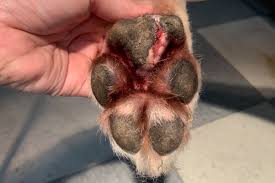
If your dog’s paw pad gets cut, it’s essential to act quickly to prevent further injuries or infection. Start by checking the cut and assessing the damage. If it’s a small cut, you might be able to treat it at home. But if it’s deep or bleeding heavily, seek emergency care immediately. Vets or an experienced team of professionals can help ensure your dog’s paws are treated properly. Keep your dog as still as possible to avoid further damage to the pads. You’ll want to clean the wound gently with clean water and possibly apply a sterile dressing. Be mindful of your dog’s behavior, as they might suffer from the pain or discomfort of walking on tougher surfaces. Berkeley or other vets can guide you on whether the injury needs stitches or more intensive care. Always keep a close eye on the bottoms of your dog’s feet after an injury like this to ensure it heals well.
Your Dog’s Paws
Your dog’s paws are designed to serve a vital role in protecting the feet and ensuring mobility. The pads on their paws act as shock absorbers, providing cushioning and support during activities like running and jumping. These pads are located on both the inner and outer parts of the paw, protecting against the harsh conditions of the environment. Their primary purpose is to offer protection from extreme temperatures like hot pavement or icy surfaces. When a paw pad is cut, the injury can compromise their ability to move comfortably and safely. It’s essential to provide immediate care to ensure the injury heals quickly, as it could affect their overall well-being.
The pads of a dog’s paw are like protective barriers that ensure the foot remains healthy and injury-free. When these pads are damaged, your dog could suffer from discomfort or difficulty in movement. The paws are designed to provide stability and maintain balance. However, if your dog’s paw pad is injured, it might take longer for them to heal. The cushioning nature of the pads helps absorb impact, but a cut can hinder this function. You must monitor the injury closely, especially after activities, to make sure your dog doesn’t develop further injuries. With the right care, their paws can heal and continue to provide protection, comfort, and support.
What To Do If My Dog Cut His Paw Pad
If your dog’s paw pad gets injured, it can be both painful and concerning. Pads are tough, durable, and designed to protect their feet, but when they get cuts or puncture wounds, it’s essential to act fast. If you notice your furry companion limping or licking their paw, it could indicate a tear, burn, or cut. The painful injury can make it harder for your pooch to walk properly. First, check the paw carefully for any visible damage, including cuts between the toes or on the pad. Help relieve their discomfort by cleaning the area gently and applying an antiseptic to prevent infection. If the injury looks deep or your dog seems to be in a lot of pain, seek professional care immediately to ensure proper healing.
Contact Your Vet
If your dog’s paw pad is cut or torn, it’s important to contact your vet for professional advice. Even if the injury seems small, a vet can assess the condition and provide the necessary care. Vets play an essential role in ensuring your pet’s paws stay healthy and that any issues are properly treated. You might need to make an emergency trip to the animal hospital if the injury is severe or if your pup seems to be in pain. Veterinary professionals can give you the best course of action and help prevent complications. Always contact your vet if you notice any changes in your dog’s ability to walk or if the injury doesn’t improve with basic care.
- Excessive or uncontrolled bleeding
- Deep lacerations that require sutures
- Large or deeply embedded foreign object that may need surgical removal
- If there is discolored or foul-smelling discharge
- Chemical burns/ Severe burns
There are many reasons to take your dog to the vet but if you notice any of these things, contact us right away.
- Excessive or uncontrolled bleeding
- Deep lacerations that require sutures
- Large or deeply embedded foreign object that may need surgical removal
- If there is discolored or foul-smelling discharge
- Chemical burns/ Severe burns
There are many reasons to take your dog to the vet. However, if you notice any of these symptoms, please contact us immediately for urgent or emergency care.
- Large or deeply embedded foreign objects that may need surgical removal
- If there is discolored or foul-smelling discharge
- Chemical burns/ Severe burns
- Excessive or uncontrolled bleeding
- Deep lacerations that require sutures
Take a Close Look At the Injured Pad
When your dog’s pad is injured, it’s important to examine it closely. Start by checking for any foreign objects like glass, thorn, or debris that might be stuck in the wound. Sometimes, small bits of gravel or broken stones can be lodged deep in the pad, causing discomfort and pain. If you notice something embedded, you can gently remove it with tweezers, but be cautious not to make the injury worse. Clean the paw with some water, and if needed, apply a mild antiseptic to prevent infection.
If there are any signs of burns, like from hot sidewalks or blistering, your dog might be in significant pain. Burns are common during blistering hot days or when dogs walk on heat-damaged surfaces. If the injury appears more serious, such as a deep cut or if your dog’s paws show signs of infection, contact your nearest emergency vet immediately for further advice. Licking and limping are often signs that the injury is painful, and your dog may need extra care to ensure it heals properly.
While paws are generally tough and thicken with time, they are still vulnerable to injuries from sharp objects or environmental factors. It’s crucial to keep an eye on the injury and make sure that your dog is comfortable and not in too much pain. Whether you are at home or walking on the street, always check your dog’s paw regularly for any new injuries. Proper attention and early care can help relieve the pain and speed up healing, ensuring that your dog’s mobility is not affected for too long.
Clean The Cut
When my dog’s pad was cut, the first thing I did was fill a bowl with warm, soapy water using just a drop of dish or hand soap to help kill bacteria. I let my pup’s foot swish around gently in the bucket, which helped to dislodge any remaining debris stuck in the wound. After that, I used a hose to rinse the area with clear water, or you can also use a gentle squirt from a bottle if a spraying hose isn’t available. To make sure it was properly clean, I followed up with a diluted chlorhexidine solution as an antiseptic, which is an effective method I’ve learned from my vet. These steps help keep the injury from getting worse while giving your dog a better chance to heal quickly.
Control The Bleeding
When my dog’s paw pad got cut, the first thing I did was check for any foreign objects that could make it worse. After making sure nothing was stuck, I gently pressed a clean cloth or towel on the pad with firm pressure to help slow the bleeding. Using a cold compress also helped constricting blood vessels, especially when the cut wasn’t just a shallow graze but not too deep either. If the bleeding doesn’t stop after a short time, or if it seems to worsen, it’s important to get it checked by a vet. After bleeding is under control, proper cleaning and care are key to healing the paw safely.
Assess The Severity of the Injury
After my pooch cut his paw pad, I took a moment to check if it was one of those minor cuts or scrapes that could be managed at home, or something more serious. If the cut looks ragged, deep, or has debris lodged inside, it’s best to seek veterinary care right away. Sometimes, a quick trip to the emergency hospital is the safest option to avoid complications. A vet can clean and dress the wound properly, and if needed, prescribed antibiotics may be given to help fight infection. For small injuries, gentle cleaning and rest usually help, but for anything deeper, don’t wait—head to the vet quickly.
Bandage
After cleaning my dog’s cut paw, I used non-stick sterile gauze pads to cushion the bottom of the foot and absorb any remaining blood, which also helped decrease pain while walking. I carefully wrapped the entire paw using a self-sticking bandage like Vetwrap, one of the well-known brands available at pet supply stores. These bandages often come coated with bitter flavoring to discourage chewing, which I found helpful with my dog. When wrapping, I made sure to include the toes and up to the ankle but left enough room to check for swelling or slipping. The key is to keep it snug but not too tightly wrapped—you should be able to slide two fingers under it. If the bleeding doesn’t slow or stop, or if you’re unsure how it was applied, always follow up with your vet for proper care.
Prevent Licking
Many clients ask if it’s okay to let their dog lick the cut paw, thinking licking might kill bacteria at the injury site, but it often does more harm than good. While a little licking may seem natural, excessive licking can lead to the reopening of the wound or even cause an infection. After bandaging, it’s important to prevent your dog from disturbing the area. Keeping your dog preoccupied with toys or treats can help, but sometimes an Elizabethan collar or similar device is necessary to ensure the area properly heals.
Ongoing Care
As the wound heals, it’s important to keep the bandages clean and dry, which can be a challenge—especially if your dog wants to run around. I used a waterproof bootie or a plastic bag tied loosely above the ankle whenever my dog went outside to protect the foot. Always change the bandage daily to avoid infection, and before applying new ones, gently remove the old dressing and thoroughly clean the area with warm, soapy water. Each day, I would examine the paw for signs of trouble like swelling, redness, discharge, odor, or extra pain. If any of these appeared or if the injury looked more severe, I would head to the vet immediately.
For minor scrapes, regular care works well, but if it’s deeper, ragged, or has debris lodged, it may be more serious and need to be dressed professionally. The vet might prescribe antibiotics to fight infection or pain meds to help your dog cope better.
Different Types of Injuries:
When my dog cut his paw pad, the severity of the injury made me realize how many different things can go wrong with a dog’s paws. Some injuries are simple scrapes, abrasions, or minor cuts from sharp objects like glass, rocks, or metal pieces on sidewalks or in the yard. Others are more serious, like punctures from sticks in the woods or thorns and pebbles hidden in grass. Even burns from hot streets or sidewalks during high temperatures can damage the fat layer under the pad, which helps with temperature regulation. I once had to deal with a foreign object stuck in my dog’s foot after a walk through North Providence, which turned out to be a small crack in the pad caused by hidden debris.
There are also hidden dangers from chemical household products like cleaners, bleach, toilet or drain liquids, pool chlorinators, or laundry detergents that might spill in the garage or driveway. These can burn your dog’s paws just like heat can. Even bug bites, stings, or reactions to mosquitoes, fire ants, or wasps can cause painful wounds that need attention. If you’re ever unsure how bad the injury is, especially after daytime hours, it’s smart to contact an emergency vet hospital nearby—I’ve done that once in Lancaster when a pad injury turned worse after I thought it was healing fine. A vet can always recommend the right care depending on what caused the injury.
How to Treat a Paw Injury at Home
If your dog has a minor wound, it is okay to take care of it at home. But you will need to keep an eye on the injury while it heals to ensure there aren’t any further complications.
How to Treat a Paw Injury at Home
When my dog cut one of his pads during a walk through Lancaster, I knew it was important to act fast. First, I rinsed the wound with cool water to clean it and ease the pain. I looked closely for anything stuck like stones, sticks, or glass, and used tweezers to remove any visible debris. I used mild soap to wash the area carefully, making sure not to scrub forcefully. If you notice the cut is deep, apply pressure to control bleeding and evaluate whether it looks jagged or wide enough to possibly need sutures for optimal healing.
Once cleaned, I dried the paw and placed a nonstick gauze bandage over the cut. I used paper tape or a roll bandage—not too tight, not too loose—so it didn’t cut off circulation or risk slipping around the joint. I always make sure I can slide two fingers under the bandage, and then kept him away from food or play until the paw was settled.
If your dog has a minor wound, it is okay to take care of it at home. But you will need to keep an eye on the injury while it heals to ensure there aren’t any further complications.
How to Treat a Paw Injury at Home
When my dog cut one of his pads during a walk in North Providence, I knew how important it was to stay calm and act quickly. I gently rinsed the wound with cool water to ease the pain and then looked for anything stuck, like stones, sticks, or small pieces of glass. Using tweezers, I carefully removed any visible debris and cleaned the area with mild soap, being sure not to scrub too forcefully. If you notice the injury is deep or jagged, apply pressure to control bleeding and evaluate whether it needs sutures for optimal healing.
Once the paw was clean, I placed a nonstick gauze pad over the area and used paper tape or a roll wrap to bandage it. The wrap should not be too tight or too loose—you should be able to slide two fingers between the wrap and your dog’s foot near the joint to keep circulation normal and prevent slipping. This simple routine helped my dog heal comfortably at home.
How Much Time Does it Take for the Paw Pad to Heal?
Cut Paw Pads:
When my dog got a cut on his paw pad, I learned how tender and vulnerable this type of injury can be. To help the pad heal properly, I kept it protected with a soft bandage and sometimes used a bootie to protect the foot from dirt and damage. I also used an Elizabethan collar to stop him from chewing or licking the area. It’s important to keep your dog quiet, limit activities like running, and avoid anything that might slow the healing process. Depending on the size of the cut, healing time can vary, but keeping the area clean and cool (no heating) made sure it healed safely without further problems.
Burnt Paw Pads:
If your dog’s paw has been burned—whether from heat outside or a chemical substance—you need to act fast with the right steps. When my dog once stepped on a hot surface during summer, I quickly moved him to a shady spot and began rinsing the foot under cool running water to give relief. If the burn came from a chemical, I wore gloves to protect my own skin and used mild soap (never scented, as it can irritate the wound) to wash the area. Be sure to rinse thoroughly, and stop your dog from licking the injury, which can make things worse.
Should I Let My Dog Lick his Cut Paw?
Many pet owners wonder if it’s okay to let their dog lick their wounds, especially after a non-serious paw injury, and while it may seem fine at first, it’s best to avoid it. Though dogs sometimes gently lick to remove debris, it’s hard to control how much they do it, and excessive licking can transfer germs, cause the injury to reopen, and even lead to an infection. A bandage helps prevent direct contact, but if your dog becomes fixated, an Elizabethan collar or similar device might be needed to stop further harm while the paw heals properly.
When Should I Take my Dog to the Vet?
You should contact a vet if you notice excessive or uncontrolled bleeding, especially if the cut on your dog’s paw is deep or looks like a laceration that may need sutures. Other serious reasons include a foreign object that’s embedded and might need surgical removal, or if there’s discolored, foul-smelling discharge, which could mean an infection. I once had to rush mine in for emergency care after spotting signs of chemical burns from something spilled in the garage. Severe symptoms should never be ignored—urgent treatment from a vet makes a huge difference in how fast and well your dog heals.
Will a cut dog’s paw pad heal on its own?
Paw pad cuts generally do heal on their own, but take longer if not seen by a veterinarian to have them closed with suture under sedation. If the paw is really red around the whole area, extremely swollen or if there is a large amount of yellow or green discharge that smells bad then infection has probably set in.
What should I do if my dog cuts their paw?
You can often manage minor cuts and scrapes on your dog’s paw pad at home. However, you should seek veterinary care if your dog sustains deeper cuts. If your dog’s cut is ragged, deep, or has debris lodged in it, it’s time to head to your vet or the nearest emergency veterinary hospital.
Should I wrap a cut on my dog’s paw?
It is important to cover the paw from the toes up to and including the ankle (tarsus) or wrist (carpus). Covering the toes will prevent them from swelling and covering the ankle or wrist joint will prevent the bandage from slipping off. Make sure the bandage is not too tight.
Should I let my dog lick a cut on his paw?
It’s generally not advisable to let your dog lick its wound. While dogs have some natural antibacterial properties in their saliva, licking can actually introduce bacteria and lead to infections. Here are some steps you can take to care for your dog’s wound properly
Is vaseline safe for dogs?
While Vaseline is safe for human use, applying it to your dog’s skin or paws might not be advisable. The main concern is ingestion. Dogs are likely to lick areas where Vaseline is applied, leading to potential digestion of this petroleum product. Ingesting Vaseline can cause upset stomachs or diarrhea in dogs.